







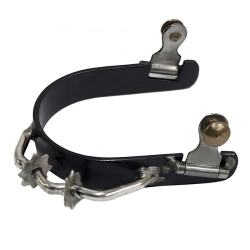
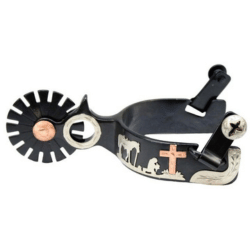
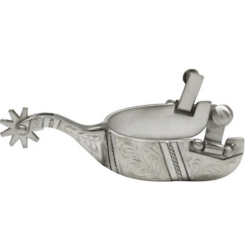
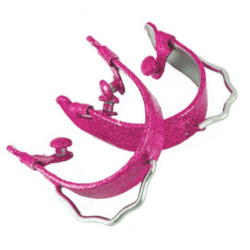





Shop gag bits for horses, including western gag bits, snaffle gag styles, training bits, dogbone gag bits, shanked gag designs, and mouthpieces with sliding or lifting action when available. This collection is for riders comparing gag bit styles by cheek, mouthpiece, material, and intended use.
Western Gag Bits and Training Bit Styles
Gag bits can create a different feel than a fixed cheek, standard snaffle, or traditional curb bit. The exact action depends on the cheek design, mouthpiece, amount of movement, shank length, curb use, and rider hands. Because these details matter so much, a gag bit should be selected thoughtfully.
- Western gag bits, snaffle gag bits, dogbone options, shanked styles, and training bits
- Possible sweet iron, copper, stainless, jointed, ported, or multi-piece mouthpieces
- Useful for comparing gag movement, leverage, and mouthpiece design
- Best suited to riders who understand the bit's action and correct use
Choosing a Gag Bit
Start with the horse's training level and the rider's hands. Compare the gag movement, cheek style, shank length, mouthpiece thickness, and whether a curb strap is used. A mild-looking mouthpiece can still feel strong when combined with leverage or sliding action.
If the goal is better control, also review fit, dental comfort, training gaps, and rider timing before changing equipment.
Related Horse Bits Collections
For the broader category, start with Horse Bits. Use the related collections below to compare close options by style, size, material, or use.
- Horse Bits
- Stainless Steel Bits
- Bit Accessories
- Chrome Bits
- Engraved Bits
- Bit Guards
- Headstall and Breast Collar Sets
- Reins
Frequently Asked Questions
A gag bit is designed with movement that can create a lifting or sliding action depending on the cheek and mouthpiece design.
They can be. Severity depends on the full design, mouthpiece, leverage, curb use, rider hands, and the horse's training level.
Gag bits are best chosen by experienced riders who understand the bit action and can match it to the horse's training and discipline.
Compare cheek style, shank length, mouthpiece, gag movement, material, curb action, and whether the bit suits the intended riding use.