

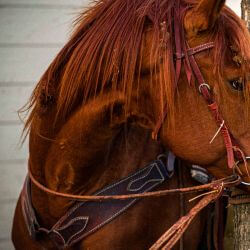
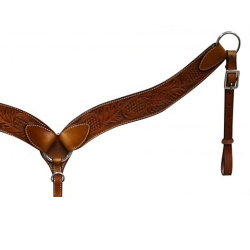
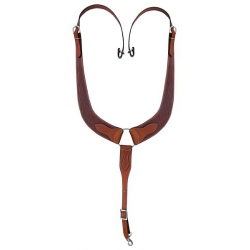
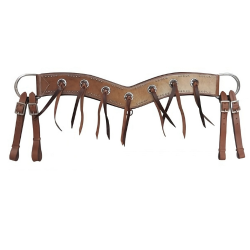
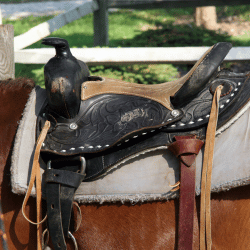
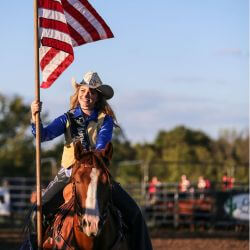





Shop matching western headstall and breast collar sets for a coordinated tack look in the arena, on the trail, or around the barn. This collection includes western tack sets in a wide range of styles, from practical leather sets to eye-catching beaded, fringe, cowhide, glitter, painted, and show designs.
Matching Western Headstall and Breast Collar Sets
A matching tack set is one of the easiest ways to pull a western setup together. Instead of trying to match a separate headstall, breast collar, hardware finish, and leather color later, these sets are designed to coordinate from the start. Riders can compare browband, one-ear, two-ear, breast collar, and multi-piece set options depending on the horse, saddle, and riding style.
- Leather, tooled, beaded, fringe, cowhide, glitter, and show tack styles
- Options for barrel racing, trail riding, western pleasure, show, and everyday riding
- Single-ear, browband, and other headstall designs when available
- Some products may include reins or extra matching pieces; check each listing
Choosing a Headstall and Breast Collar Set
Start with the style of riding and the look you want. A simple leather set may be best for daily use, while beaded, fringe, glitter, or silver-accented sets are often chosen for show, rodeo, barrel racing, or statement tack. Compare hardware color, leather finish, conchos, stitching, and whether the breast collar shape works with your saddle and horse.
Because included pieces can vary by product, review each listing for exactly what comes with the set. If reins are shown or mentioned, confirm they are included before ordering.
Related Headstalls and Bridles Collections
For the broader category, start with Headstalls and Bridles. Use the related collections below to compare close options by style, size, material, or use.
- Headstalls and Bridles
- Beaded, Painted and Rawhide
- Browband Headstalls
- Bitless Bridles
- Fringe
- Single Ear Headstalls
- Bosal Headstalls
Frequently Asked Questions
A matching set gives your western tack a coordinated look and can be easier than trying to match separate pieces after the fact.
Availability changes, but common styles include tooled leather, beaded, fringe, glitter, cowhide, Navajo-inspired, metallic, painted, and show designs.
Some sets include reins or additional tack pieces, while others include only the headstall and breast collar. Check each product listing carefully.
Compare leather color, hardware, breast collar style, headstall style, included pieces, size, and whether the design is meant for show, trail, barrel, or everyday riding.
Frequently Asked Questions
Headstall and Breast Collar Sets
What is a headstall?
A headstall is the main framework of the bridle that goes over the horse's head, securing the bit and allowing for the attachment of the reins.
What is the difference between a headstall and bridle?
A headstall is part of a bridle, specifically the strap that goes over the horse's head. A complete bridle includes the headstall, bit, and reins. For a detailed explanation, visit our article What is the Difference Between a Headstall and Bridle.
What are the different types of bridles?
Bridles come in various types like the snaffle, double, and western bridle, each designed for different riding styles. Discover more in our guide on The Different Types of Bridles.
Why does a horse need a bit?
Horses need a bit for communication; it enables riders to guide horses through pressure on the mouth. To learn more, check the information provided in the previous question regarding bridles.
What is the purpose of a wither strap?
A wither strap connects the breast collar to the saddle, helping to keep the breast collar in place. Learn about its importance in our blog What is the Purpose of a Wither Strap.
How much does horse tack cost?
The cost of horse tack varies widely, from around $100 for basic gear to thousands for custom designs. The price reflects the materials, quality, and brand.
What is a tack set?
A tack set typically includes a matching saddle, bridle, and sometimes a breast collar, along with other accessories like saddle pads. It's a coordinated set of gear for your horse.
How do you use a bridle?
A bridle is placed on a horse's head with the bit in the mouth, and it is secured with a noseband and throatlatch. It is used to control the horse during riding.
What is a tripping breast collar?
A tripping breast collar is designed for rodeo events, offering support without restricting movement. It's different from regular breast collars due to its specialized use.
What is a pulling collar?
A pulling collar is used on work horses and sits higher on the shoulders to assist with pulling tasks, allowing for better weight distribution and movement.
What is a tripping collar used for?
A tripping collar is used in steer tripping events, which require quick stops and starts. It provides saddle stability without impeding the horse's shoulder movements.
What are the parts of a horse bridle?
The main parts of a horse bridle include the headstall, bit, reins, noseband, and throat latch. Additional parts can include a browband or cheekpieces.
Why do horses need bits?
Bits are a communication tool for riders to send signals to the horse, facilitating better control during riding.
What are headstalls for horses?
Headstalls are the part of the bridle that hold the bit in place and allow the attachment of reins, crucial for controlling the horse.
What is a hackamore bridle?
A hackamore bridle is a bitless bridle that controls the horse through pressure on the nose and chin. To understand how it works, read about it in our article What is a Hackamore Bridle.
Does a bridle hurt a horse?
A properly fitted bridle should not hurt a horse. Pain can occur if the bridle is fitted incorrectly or used harshly. For more information on this topic, check out Does a Bridle Hurt a Horse.
What is the purpose of a noseband on a bridle?
A noseband is used to keep the horse's mouth closed, secure the bit, and attach other tack like martingales. It plays a crucial role in the bridle's overall function.
What is the purpose of a bit in a horse mouth?
A bit applies pressure to the horse's mouth, aiding in communication between the rider and horse for commands like stopping or turning.