
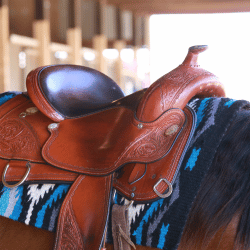

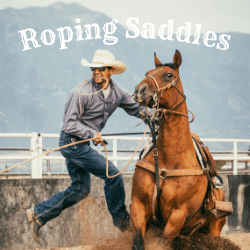

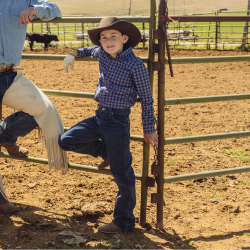
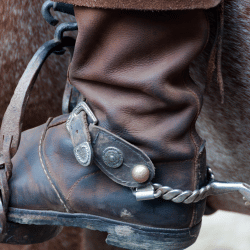
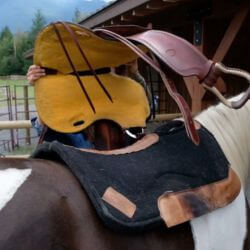
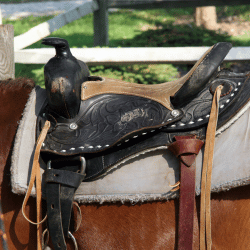




Shop roping saddles for sale at Texan Saddles for western riders comparing team roping saddles, calf roping saddles, ranch ropers, hard seat saddles, and working western saddle styles. This collection brings together current roper saddle options so riders can compare seat size, tree fit, horn style, rigging, skirt shape, saddle weight, tooling, leather finish, brand, price, and available variants in one place.
Western Roping Saddles for Arena and Ranch Work
Roping saddles are usually built for strength, stability, and a secure feel. Compared with many lightweight trail or pleasure saddles, a roper saddle often has a stronger horn, heavier tree, sturdier rigging, deeper ground seat feel, and a build meant for working use. The right choice depends on whether the saddle will be used for team roping, calf roping, ranch work, arena practice, or general western riding.
Use this page to compare practical saddle details before ordering. Look at the horn and swell shape, rigging position, cantle height, skirt length, gullet and bar notes, saddle weight, stirrup setup, fleece condition, included tack, and product photos. Inventory changes by size and style, so review each product listing for exact measurements and current availability.
Compare Team Roping, Calf Roping, and Western Saddle Options
If you are comparing more than one saddle style, start with the broader Western Saddles for Sale collection, then narrow by discipline, fit, or seat size. Riders looking at roper saddles may also want to compare Full Quarter Horse Bar Saddles, Semi Quarter Horse Bar Saddles, Barrel Saddles, Pleasure / Trail Saddles, and 16 Inch Western Saddles.
- Western Saddles for Sale
- Full Quarter Horse Bar Saddles
- Semi Quarter Horse Bar Saddles
- Barrel Saddles
- Pleasure / Trail Saddles
- Training Saddles
- 16 Inch Western Saddles
- Double T Saddlery
How to Choose a Roping Saddle
Start with the work the saddle needs to do. A team roping saddle, calf roping saddle, ranch roper, and general western roping saddle can share similar construction ideas but still feel different in horn build, seat pocket, skirt shape, rigging, and overall balance. A heavier, stronger roper may be useful for working use, while a rider mostly trail riding may prefer a lighter western saddle that is easier to lift and ride in for long hours.
Fit still comes first for both horse and rider. Compare the rider's seat size separately from the horse's tree fit, then review gullet information, bar type, shoulder clearance, wither clearance, skirt length, and saddle pad setup. A saddle that is too narrow can pinch, while one that is too wide can drop down and create pressure. Product photos, listed measurements, and prior fit history are more useful than a style name by itself.
Related Western Tack for Roping Saddles
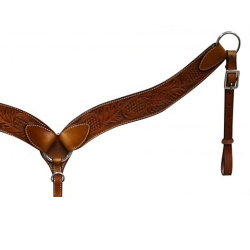
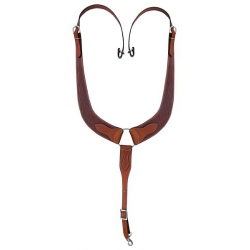
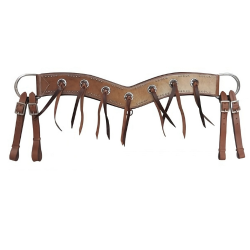
After choosing a roping saddle, complete the setup with related western tack. Compare Western Saddle Pads for cushioning and fit support, Girths and Cinches for secure rigging, Stirrups for rider position, Breast Collars For Horses for saddle stability, Headstalls and Bridles, and Horse Reins.
Frequently Asked Questions
A roping saddle is a western saddle style built for stability, strength, and working use. Riders may use roper saddles for team roping, calf roping, ranch work, arena practice, or general western riding depending on the saddle and the rider's needs.
Roping saddles are usually heavier and built with stronger horns, trees, and rigging for working use. Trail saddles are often chosen for comfort and lighter weight during longer recreational rides.
Some riders use roping saddles for trail riding, especially when they like a secure western seat. The tradeoff is weight, so compare saddle weight, seat feel, skirt length, and comfort before choosing one for long trail rides.
Start with the exact riding use, then compare horn style, seat feel, rigging, tree fit, saddle weight, and product measurements. Team roping and calf roping saddles can overlap, but specific designs may feel different in balance and build.
Check seat size, tree or bar type, gullet notes, skirt length, saddle weight, horn and rigging details, product photos, included tack, return policy, and current inventory. Horse fit and rider fit should be evaluated separately.